

Abstract
Common law courts award remedies for breach of contract primarily to compensate economic loss or enforce performance, not to compel symbolic acts like apologies.
This article examines whether courts can order apologies, focusing on the compensatory focus of contract law and barriers such as free speech and enforcement difficulties. It centres on the Malaysian Court of Appeal’s 2026 decision in the Pantai Medical Centre case, which rejected compelled apologies in pure contract claims.
This comparative analysis covers the UK, US, and Australia. The conclusion is that apologies suit voluntary settlements or tort/statutory contexts but are not standard contractual remedies.
Introduction
Contract law upholds promises and provides remedies when breached. Standard remedies—damages, specific performance, and injunctions—restore the injured party economically or ensure performance of unique obligations. Parties occasionally seek apologies to acknowledge fault and repair reputational or relational harm, especially in professional services contracts.
The core question is whether courts can compel such apologies. Apologies are expressive, involving regret or fault admission, and raise issues of compelled speech and sincerity. Courts generally decline to order them in contract disputes.
This article analyses the position in major common law systems, with emphasis on the Malaysian Court of Appeal’s ruling on 1 March 2026 that no provision in the Contracts Act 1950 authorises apologies as a remedy for breach of contract. It argues apologies remain outside core contractual relief but support alternative dispute resolution.
Traditional Contract Remedies and Why Apologies Differ
Courts award compensatory damages for foreseeable losses, specific performance for unique subject matter (e.g., land), and injunctions to prevent or require contract-linked acts. These remedies target economic or proprietary harm, not emotional or symbolic injury.
Apologies address intangible harm—embarrassment, dignity loss, or reputational damage—but do not quantify loss or fulfil contractual obligations. Enforcement is problematic: courts cannot guarantee sincerity, and monitoring compliance burdens judicial resources. Compelling speech also conflicts with free expression norms in common law systems.
Scholars note apologies fit restorative justice models better than adversarial contract litigation. Protective legislation in many jurisdictions excludes voluntary apologies from evidence as admissions, encouraging settlements without compelling them judicially.
The Malaysian Court of Appeal Decision (2026)
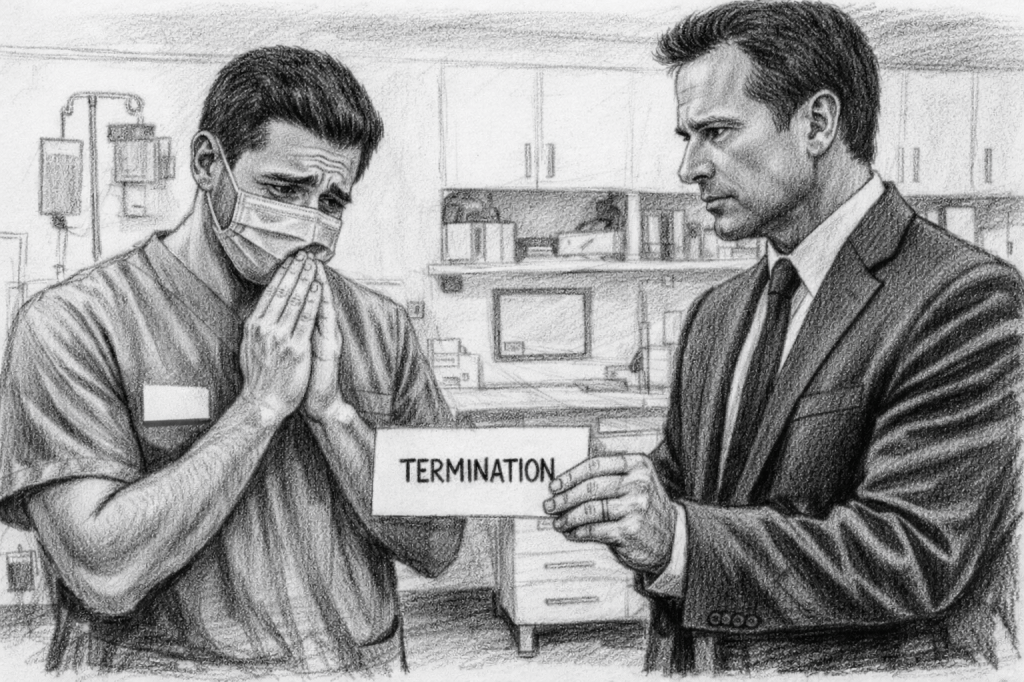
Malaysia applies common law under the Contracts Act 1950. In Orthopaedic Surgeon v Pantai Medical Centre Sdn Bhd (Court of Appeal, 1 March 2026), the Court overturned a High Court order requiring Pantai Medical Centre (PMC) to apologise for wrongfully terminating a consultant orthopaedic surgeon’s fixed-term contract.
PMC terminated early, citing unproven complaints, and revoked privileges. The High Court awarded damages for reputation/distress and ordered an apology via mandatory injunction. On appeal, Justice Wong Kian Kheong (leading the bench) held no Contracts Act provision supports apologies as relief in pure contract claims. The action rested on wrongful termination, not defamation or tort. Absent Malaysian precedent for such orders in mere breaches, the court set aside the apology and restricted damages to lost earnings under the contract term. It also excluded exemplary/aggravated damages as too remote under s 74(1).
This decision confirms Malaysian courts prioritise compensatory remedies. Apologies may arise in negotiated settlements but cannot be judicially compelled without tortious elements.
United Kingdom
UK law limits specific performance and injunctions to cases where damages are inadequate. Apologies are not contractual remedies; they imply liability without economic restoration.
The Compensation Act 2006 protects apologies in negligence claims from constituting admissions. Proposals extend similar protections to vicarious liability. Courts avoid compulsion in contract cases, focusing on damages. In Corr v IBC Vehicles Ltd [2008] UKHL 13, symbolic relief received no consideration. Apologies function as voluntary settlement tools.
In relational contracts—long-term agreements requiring trust and cooperation—courts imply a duty of good faith since Yam Seng Pte Ltd v International Trade Corporation Ltd [2013] EWHC 111 (QB). This duty demands integrity, fairness, transparency, and avoidance of commercially unacceptable conduct, as elaborated in Bates v Post Office (No 3) [2019] EWHC 606 (QB). However, it does not extend to compelling apologies as a remedy. Breaches attract standard remedies: damages, termination for substantial breaches, or equitable relief like injunctions or specific performance. No authority suggests good faith mandates symbolic acts like apologies; remedies remain compensatory or performative, not expressive. Parties can exclude the duty expressly, but even where implied, apologies stay voluntary.
United States
US contract remedies emphasise expectation damages and specific performance for unique items. First Amendment protections bar compelled speech, including forced apologies.
Apology-protection statutes (e.g., in medical malpractice) exclude them from evidence to encourage candour. Courts treat apologies as non-admissions of liability. In pure contract breaches, they remain unenforceable remedies. Scholars advocate shielding self-critical apologies to avoid deterring remorse.
Australia
Australian law aligns with UK principles. Apologies feature in anti-discrimination statutes where courts order them under statutory power. Civil liability acts protect apologies from admissibility to foster settlements.
In ordinary contract breaches, courts do not compel apologies, prioritising damages. Equitable remedies occasionally allow limited symbolic relief, but not standardly.
Exceptions and Conclusion
Exceptions occur in defamation (apologies mitigate damages) and statutory schemes (e.g., Apologies (Scotland) Act 2016). Settlements often include voluntary apologies.
Common law courts across jurisdictions do not compel apologies as contractual remedies, emphasizing economic restoration. The 2026 Malaysian ruling exemplifies this, rejecting them under the Contracts Act 1950. Protective laws promote voluntary apologies, and future reforms may expand restorative uses, but apologies stay non-standard in contract law.
Bibliography
Cases
Bates v Post Office (No 3) [2019] EWHC 606 (QB)
Corr v IBC Vehicles Ltd [2008] UKHL 13, [2008] 1 AC 884
Orthopaedic Surgeon v Pantai Medical Centre Sdn Bhd (Court of Appeal, 1 March 2026)
Phinney v Vinson 605 A 2d 849 (Vt 1992)
Yam Seng Pte Ltd v International Trade Corporation Ltd [2013] EWHC 111 (QB)
Legislation
Contracts Act 1950 (Malaysia)
Compensation Act 2006 (UK)
Apologies (Scotland) Act 2016
Secondary Sources
Carroll R, ‘Apologies as a Legal Remedy’ (2013) 35 Sydney Law Review 317
Helmreich JS, ‘Does “Sorry” Incriminate? Evidence, Harm and the Protection of Apology’ (2012) 21 Cornell Journal of Law and Public Policy 567
Online Sources
‘Apology not a remedy in breach of contract cases, says Court of Appeal’ (Free Malaysia Today, 1 March 2026) <https://www.freemalaysiatoday.com/category/nation/2026/03/01/apology-not-a-remedy-in-breach-of-contract-cases-says-court-of-appeal> accessed 1 March 2026

Contact us
Address :
B-11-8, Level11, Megan Avenue II, Jalan Yap Kwan Seng, 50450 Kuala Lumpur, Malaysia
Phone : (603) 2203 3388
Fax : (603) 2203 3399
Website :

 JLPW NEEDLAWYER BLOG