

On August 31, 2025, as I hiked through the Yungang Grottoes in Datong—just two high-speed train hours from Beijing—news of Prime Minister Modi’s state visit to China surged through global social media and filled my consciousness. Surrounded by the towering, serene figures of benevolent bodhisattvas carved into ancient rock, I felt time collapse—past, present, and future converging in stone and signal.
These monumental sculptures, shaped by the hands and devotion of those inspired by the Buddhist monk Xuanzang’s epic Journey to the West from China to India’s Nalanda University, stood as reminders of a centuries-old spiritual and intellectual bridge between two ancient civilizations.
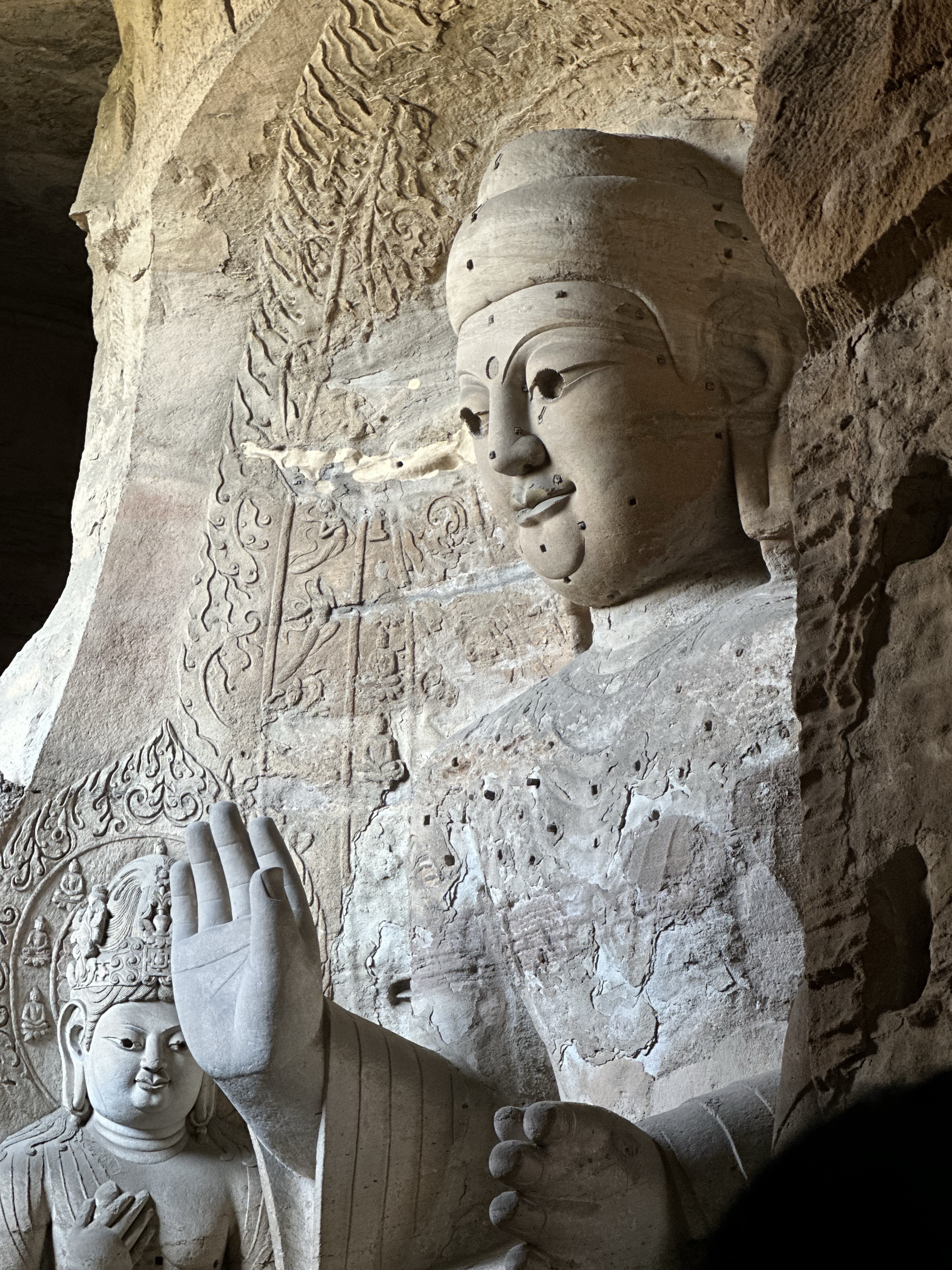
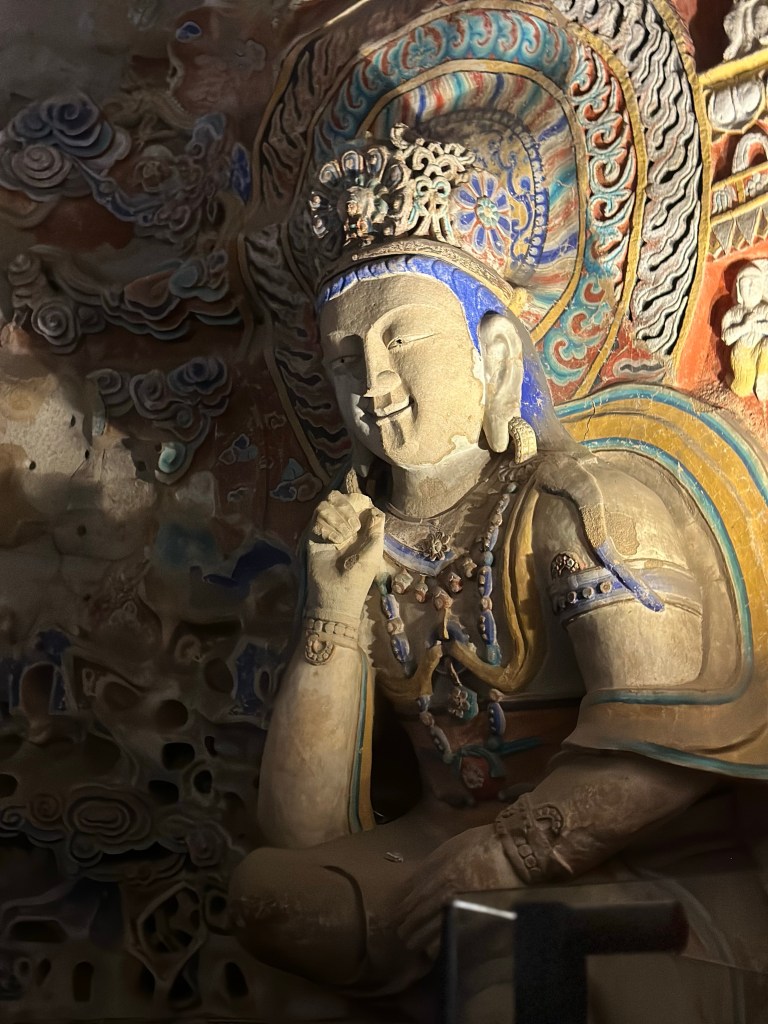
At the same time, live news broadcasts streamed on my device: images of Modi in conversation with President Xi, headlines quoting Xi—“The Chinese dragon and the Indian elephant must be good friends.”
The symbolism was powerful.
In the quiet reverence of the grottoes, I watched the reawakening of an ancient relationship—not just cultural or religious, but now strategic, economic, and political.
As I boarded the train back to Beijing, security was visibly tighter in anticipation of Modi’s visit. Social media live streamed a grand welcome ceremony, flags waving, an air of gravitas. China was signaling the importance of this visit, and India, too, was stepping into its role as a central actor in the global stage of the 21st century.
On the quiet high speed train back to Beijing, I revisited Tarun Khanna’s pivotal December 2007 article in the Harvard Business Review, “China + India: The Power of Two.” His words rang truer than ever:
“China is home to 1.3 billion people; India has a population of 1.1 billion. In the next decade, they will become the largest and third-largest economies in terms of purchasing power… By 2016 they will account for around 40% of world trade… That’s roughly the position they occupied about 200 years ago… Like it or not, the world’s future is tied to China and India.”
That article inspired my support for Asian Century 2.0 and convinced me to pursue LLM studies at Jindal Global Law School. I believe—deeply—that India, China, and ASEAN together can reshape global economic architecture. For Malaysia and the broader ASEAN region, this realignment is not only strategic but transformative.
In a world increasingly fragmented by trade wars, tariffs, and protectionist impulses, nations like Malaysia—and our ASEAN partners—must resist isolationist tides. We must stand firm for open markets, multilateral cooperation, and a rules-based international order.
For over 70 years since the end of World War II, the United Nations Charter, paired with a liberal trading regime and the World Trade Organization, laid the groundwork for global prosperity. Billions rose from poverty. Development flourished across continents.
As friends and colleagues gather this coming week at the New Delhi Rule of Law Convention in India, I urge delegates to adopt a strong, unambiguous statement on the global tariff war and the imperative to preserve free trade. We must not remain silent.
Proposed Statement:
“We recognize and affirm that international multilateral free trade and investment, underpinned by the economic rule of law, the United Nations Charter, and the WTO framework, form the bedrock of economic development and prosperity for all nations. We pledge to uphold and defend an open, inclusive, and rules-based global trading system.”
Prime Minister Modi’s visit to China marks more than just a diplomatic engagement—it signals a future of potential collaboration between Asia’s two giants.
India’s swift accession to the Regional Comprehensive Economic Partnership (RCEP)—the world’s largest free trade agreement—would provide vital momentum toward a fairer, more inclusive global economy. It would be a step toward a world where economic rule of law anchors development, and where prosperity is not a zero-sum game but a shared outcome.
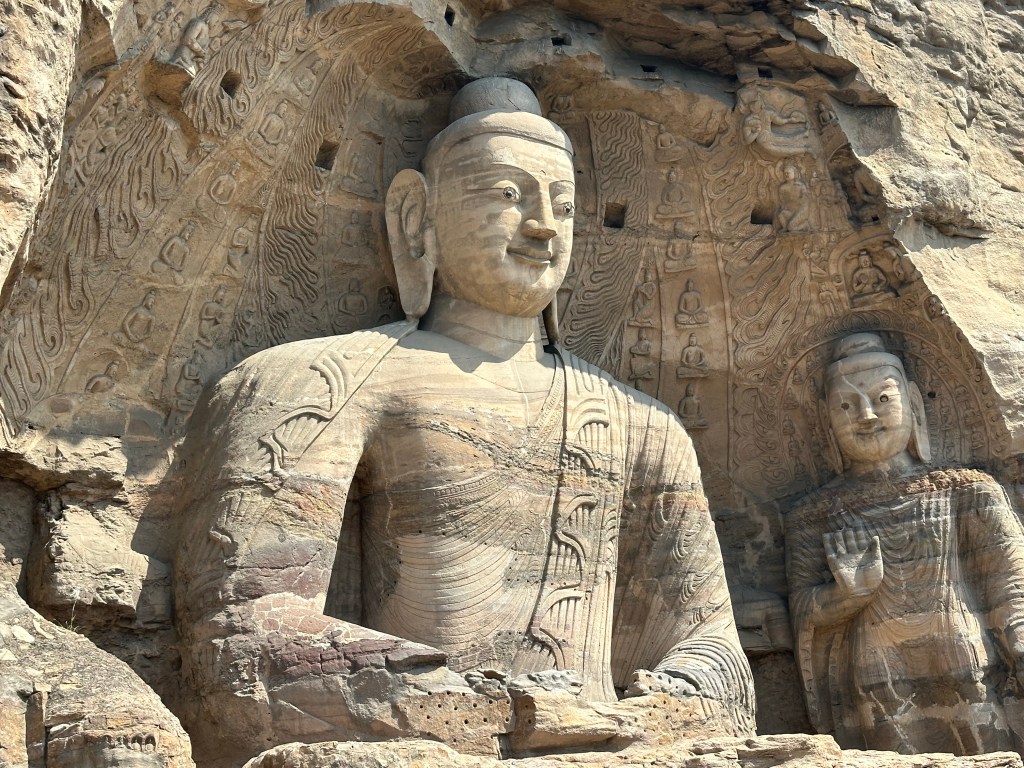
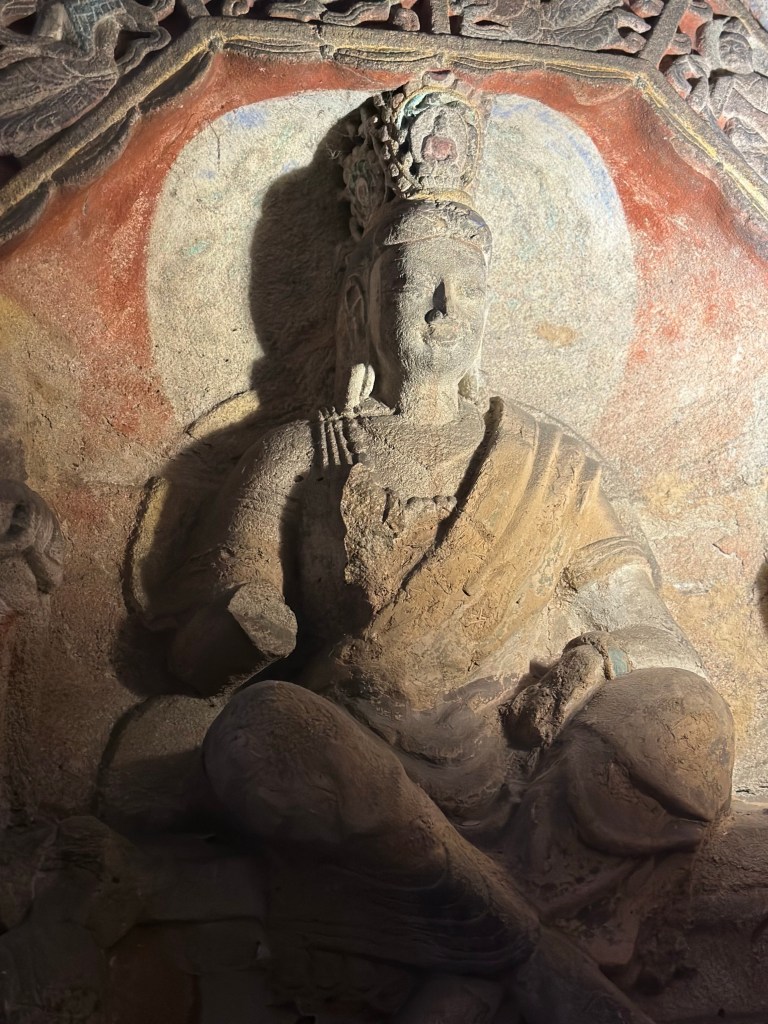
In the stone stillness of the grottoes and the high-speed rush of trains and trade, I see this future unfolding. It is ancient. It is new. And it is ours to shape.

Contact us
Address :
B-11-8, Level11, Megan Avenue II, Jalan Yap Kwan Seng, 50450 Kuala Lumpur, Malaysia
Phone : (603) 2203 3388
Fax : (603) 2203 3399
Website :

 JLPW NEEDLAWYER BLOG